



























Northern Corridor States Strengthen Capacity to Secure Better Infrastructure Deals
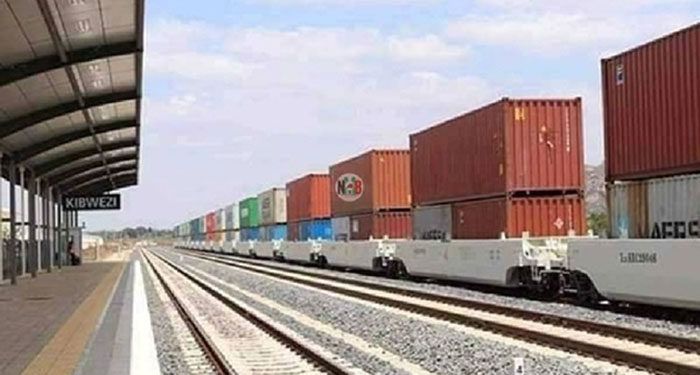
Government officials and infrastructure experts from across the Northern Corridor have undergone advanced training aimed at strengthening their ability to negotiate and manage complex infrastructure contracts, a move expected to enhance the region's capacity to attract sustainable private sector investment while safeguarding public interests.
The regional workshop, organized by the Northern Corridor Transit and Transport Coordination Authority (NCTTCA) between 4-6 in partnership with the German Agency for International Cooperation (GIZ) and the CONNEX Initiative, brought together policymakers, technical experts, and private sector representatives from Burundi, the Democratic Republic of Congo, Kenya, Rwanda, South Sudan, and Uganda.
Held under the theme “Negotiating in the 21st Century: Getting a Better Infrastructure Deal for the Northern Corridor Transit and Transport Coordination Authority and its Member States,” the workshop focused on equipping government officials with the skills required to negotiate fair, transparent, and commercially viable agreements for transport and energy megaprojects.
As governments increasingly turn to private sector investors to finance and deliver large-scale infrastructure projects, the need for strong negotiation and contract management capabilities has become more critical.
Infrastructure megaprojects often involve complex financing arrangements, long-term contractual obligations, and multiple stakeholders, making effective negotiation essential to achieving value for money and ensuring project sustainability.
The training provided participants with practical tools to better understand contract terms, evaluate risks, coordinate across government ministries, and engage effectively with investors and development partners.
By strengthening these competencies, member states are expected to be better positioned to secure infrastructure deals that deliver economic benefits while protecting national interests.
The workshop also underscored the growing role of the private sector in bridging Africa's infrastructure financing gap. Private investors bring not only capital but also technical expertise, innovation, and operational efficiency that are essential for the successful delivery of modern transport corridors, logistics hubs, energy facilities, and digital infrastructure.
Speaking during the opening session, NCTTCA Director for Private Sector Investment Promotion Program, Mr. Denis Muganga, said the initiative was designed to empower governments to engage investors from a position of strength and knowledge.
“Building the capacity of government negotiators is essential for achieving equitable and sustainable outcomes in infrastructure development. Strong negotiation and contract management skills enable our member states to attract quality investments while ensuring projects contribute meaningfully to economic growth and regional integration,” he said.
Participants benefited from peer-learning sessions that examined lessons from major infrastructure projects across the region, including the Mombasa–Naivasha Standard Gauge Railway (SGR), Konza Technopolis, and other strategic investments.
These case studies provided valuable insights into the successes, challenges, and best practices associated with planning, financing, and implementing large-scale infrastructure projects.
A key highlight of the workshop was the engagement between government officials and private sector advisors, which helped build a deeper understanding of investor expectations and the conditions required to attract long-term, sustainable investment into infrastructure development.
The initiative is expected to contribute to stronger public-private partnerships across the Northern Corridor region, supporting the delivery of transformative infrastructure projects that enhance trade, connectivity, energy access, and economic competitiveness.