


























Geopolitical Instability Unlocks Commercial Opportunities for African Ports
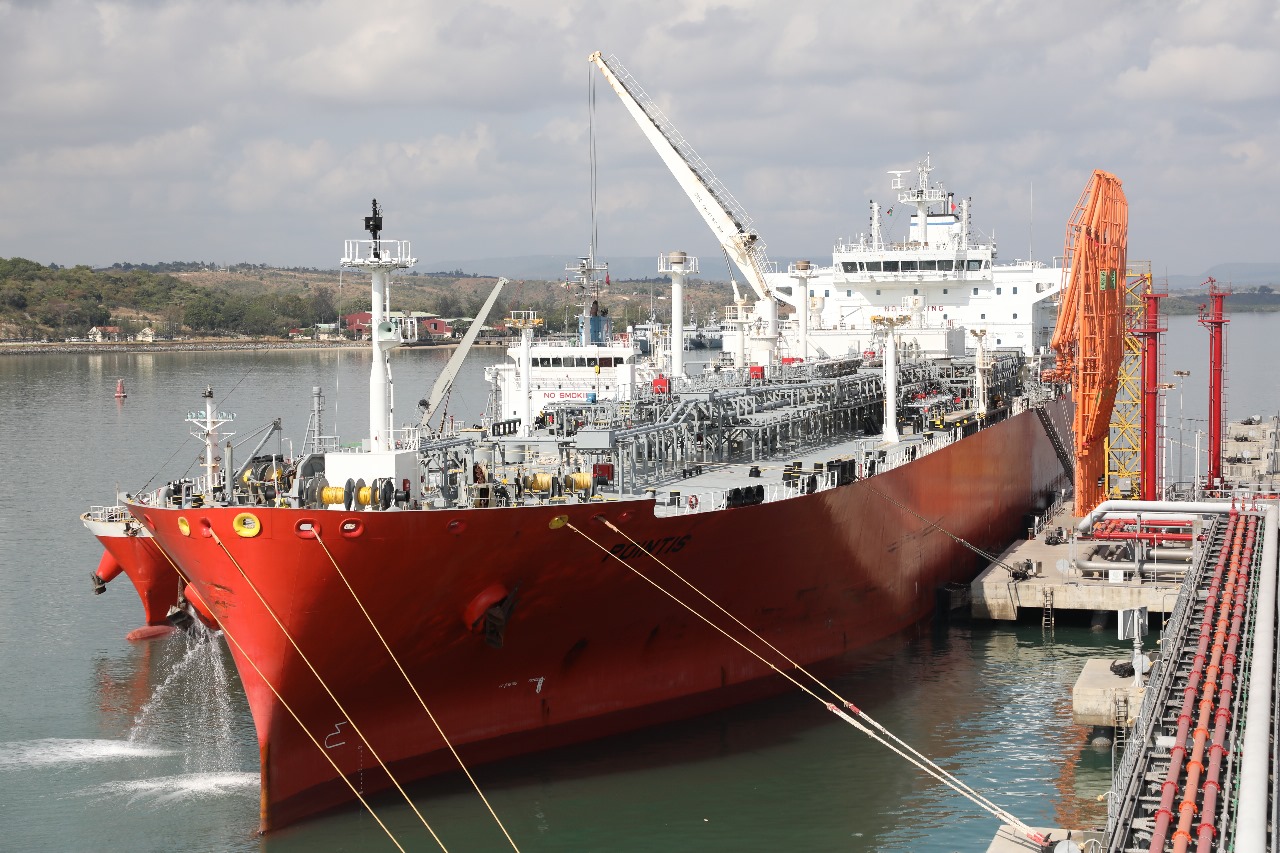
A surge in demand for ship refuelling services along Africa’s coastline is quietly revolutionizing the continent's role in global maritime trade. As geopolitical instability forces major shipping lines to abandon traditional Middle Eastern transit routes, Africa is emerging as a pivotal hub for bunkering. Ports stretching from West Africa to the continent's southern tip are securing newfound strategic importance in the global supply chain.
This structural transformation was triggered in late 2023, when persistent security concerns in the Red Sea compelled shipping lines to avoid the Suez Canal and the volatile Bab el-Mandeb Strait.
The situation has since escalated, with recent tensions involving Iran and operational disruptions in the Strait of Hormuz exacerbating the crisis. Consequently, global shipping giants are increasingly opting for the longer, albeit safer, passage around the Cape of Good Hope.
Industry leaders such as Maersk, Hapag-Lloyd, and CMA CGM have been at the forefront of this strategic redirection. Citing “unforeseen constraints” in the Red Sea, Maersk has rerouted its fleet—a decision that adds up to two weeks to voyage times. While this represents a significant logistical hurdle for carriers, it has simultaneously unlocked commercial opportunities for African maritime service providers.
The extended travel distance necessitates higher fuel consumption and more frequent refuelling stops, driving a sharp spike in traffic at African ports. Major fuel suppliers, including Monjasa, Vitol, Peninsula, and Flex Commodities, are aggressively scaling their operations to meet this burgeoning demand.
By early March, industry data revealed that vessel diversions had more than doubled, breathing new life into previously underutilized ports like Lamu in Kenya. Across the continent, both governments and private investors are accelerating infrastructure upgrades to capitalize on these long-term shifts.
Simultaneously, the global fuel market is facing intense pressure. Prices for very low sulphur fuel oil have skyrocketed to approximately $960 per tonne—nearly double previous figures—while high sulphur fuel costs have followed suit.
This surge is driven not merely by increased demand, but by a critical supply chain disruption. The Strait of Hormuz, a vital artery for nearly two-fifths of the world’s crude oil, has become a severe chokepoint. With roughly 1,000 vessels currently stranded or delayed, a logistical mismatch has emerged between fuel availability and the locations where it is desperately needed.
Industry executives emphasize that the core issue is distribution rather than scarcity. As a Maersk executive noted, “There is currently sufficient fuel globally, but it is unevenly distributed.”
To mitigate this, Maersk is actively redistributing fuel reserves across its network. However, for most operators, the primary solution remains the costly detour around Africa. This route increases fuel consumption by nearly 40% and significantly inflates operational expenses.
These operational shifts are rippling through the broader shipping economy. Daily charter rates for large oil tankers have surged to roughly $185,000, a five-fold increase over the long-term average, reflecting heightened vessel demand and elevated risk premiums.
Despite the logistical challenges, Africa stands to gain substantially. The traffic surge is catalyzing investment in bunkering infrastructure, from new operations in Namibia targeting vessels bound for Cape Town to capacity expansions across West African ports.
Yet, the situation remains fluid, hinging entirely on geopolitical developments in the Middle East. With no immediate resolution in sight for the Strait of Hormuz tensions, current routing patterns are expected to persist.