

















Modern Maritime Skills Lacking Among Coxswains in MOESNA States

A major regional drive to reform and standardize coxswain training across Eastern, Southern and Northern Africa is gaining ground amid growing concerns that weak certification systems, outdated training methods and poorly regulated inland water transport operations are exposing thousands of passengers and operators to preventable maritime accidents while denying young seafarers access to regional employment opportunities.
The proposed reforms are being spearheaded by the Maritime Organization for Eastern, Southern and Northern Africa (MOESNA), which is developing a regional coxswain training curriculum intended to standardize competencies and certification across member states.
Presenting the draft curriculum framework during a stakeholders’ consultative workshop in Nairobi, Bandari Maritime Academy (BMA) lead consultant Enock Okwema, who carried out the study, said the region urgently needs a competency-based and industry-driven training system capable of responding to emerging realities in inland and coastal water transport.
“The current training landscape across the region is fragmented. Some countries rely on informal lakeside workshops, others use outdated curricula, while many lack strong legal frameworks to anchor coxswain certification,” said Mr Okwema.
He noted that the absence of harmonized standards has created serious safety concerns, especially on inland waterways where accidents continue to claim lives due to poor seamanship, lack of navigation skills and inadequate vessel handling competencies.
“A coxswain today is not just a boat operator. The modern maritime environment demands knowledge of navigation equipment, knowledge of maritime conventions, integrated barge systems, GPS operations, security management, and even alternative fuel technologies,” he said.
According to the consultant, the proposed curriculum seeks to introduce a unified regional approach that recognizes different operational environments, including lakes, rivers, coastal waters, and high-altitude inland waterways.
The proposed reforms also aim to create mutual recognition of certificates among member states to improve labour mobility and employment opportunities for trained coxswains.
“Many young people remain unemployed not because there are no opportunities, but because their certificates are not recognised across borders, or they lack practical experience and basic employability skills,” said Mr Okwema.
He identified language barriers, shortage of maritime institutions, weak apprenticeship structures, and lack of formal employment systems as additional challenges facing the sector. The consultant said the curriculum has identified several emerging competencies that modern coxswains must possess to remain relevant in the evolving maritime industry.
These include proficiency in the use of alternative fuels, navigation and maneuvering skills in difficult terrains, understanding maritime conventions, operation of modern navigation equipment, integrated barge systems and barge resource management, maritime security awareness, and the effective use of Global Positioning Systems (GPS).
“The region’s waterways are becoming increasingly sophisticated and interconnected. Training must therefore move beyond basic boat handling to professional maritime operations,” Mr Okwema observed.
The draft report also exposes glaring training gaps among MOESNA member states and proposes country-specific interventions aimed at modernizing the sector.
In Kenya, the report recommends the operationalization of regional satellite training centres around Lake Victoria to decentralize coxswain training, which is currently concentrated mainly in the Coast region.
For Tanzania, the report proposes standardization of inland coxswain endorsements and certification systems to clearly distinguish between ocean-going operations, high-altitude waterways and lake transport operations.
Uganda has been advised to fast-track the establishment of dedicated maritime training institutes to replace the largely informal lakeside workshops currently relied upon for training.
In Zambia, the proposed reforms recommend the development of a formal barge master and coxswain curriculum specifically tailored for the mining and tourism sectors, both of which increasingly rely on inland water transport.
The Democratic Republic of Congo (DRC), which has vast river networks and remote communities, has been encouraged to implement floating school initiatives using mobile trainers to reach isolated riverine populations.
For Ethiopia, the report recommends integrating coxswain certification within the Ethiopian Maritime Affairs Authority framework to strengthen safety on Lake Tana and other inland waterways.
Burundi has been encouraged to establish a bilateral Memorandum of Understanding with the Dar es Salaam Maritime Institute to allow its coxswains access to recognized regional certification programmes.
Botswana, where tourism-based water transport is expanding, has been advised to formalize safari coxswain training and facilitate access to internationally recognized certification systems.
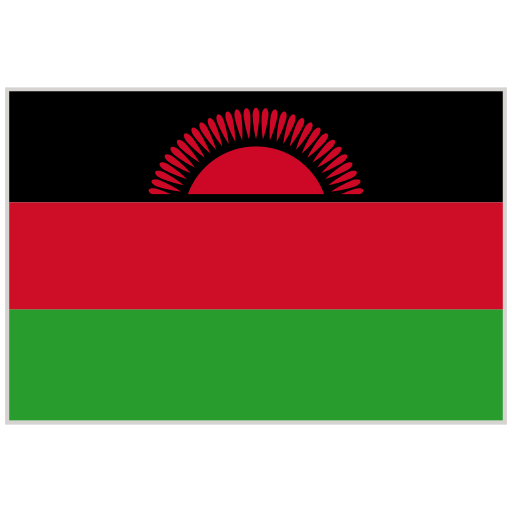
Meanwhile, Malawi has been urged to refurbish the Marine Training College at Monkey Bay through the installation of simulators and modern training equipment to improve practical instruction.
Maritime stakeholders attending the consultative forum said the lack of harmonized standards has for years undermined safety enforcement, professional mobility and investor confidence in the inland water transport sector.
Participants noted that although inland water transport remains critical for trade, tourism, fishing, and regional integration, many countries continue to operate with weak regulatory structures and insufficiently trained operators.
Mr Okwema said the proposed regional curriculum seeks to change this by introducing tier-based training systems that cater to different categories of learners, including those with formal education, experienced operators seeking certification, and trainees seeking career progression.
“The curriculum is designed to be inclusive. We recognize prior experience while also ensuring operators attain internationally acceptable competencies,” he said.
He added that the reforms would also support the blue economy agenda by creating skilled maritime manpower capable of supporting trade corridors, lake transport systems and tourism activities across the region.
The proposed curriculum is expected to undergo further stakeholder validation before adoption by member states. If implemented successfully, maritime experts believe the initiative could significantly reduce water accidents, improve cross-border labour mobility and create a professional maritime workforce capable of supporting the region’s growing inland and coastal transport sectors.
“The future of inland water transport in Africa depends on professionalism, safety, and regional cooperation,” Mr Okwema said.