


























Efficiency and Integration Drive New Era for East Africa’s SGR
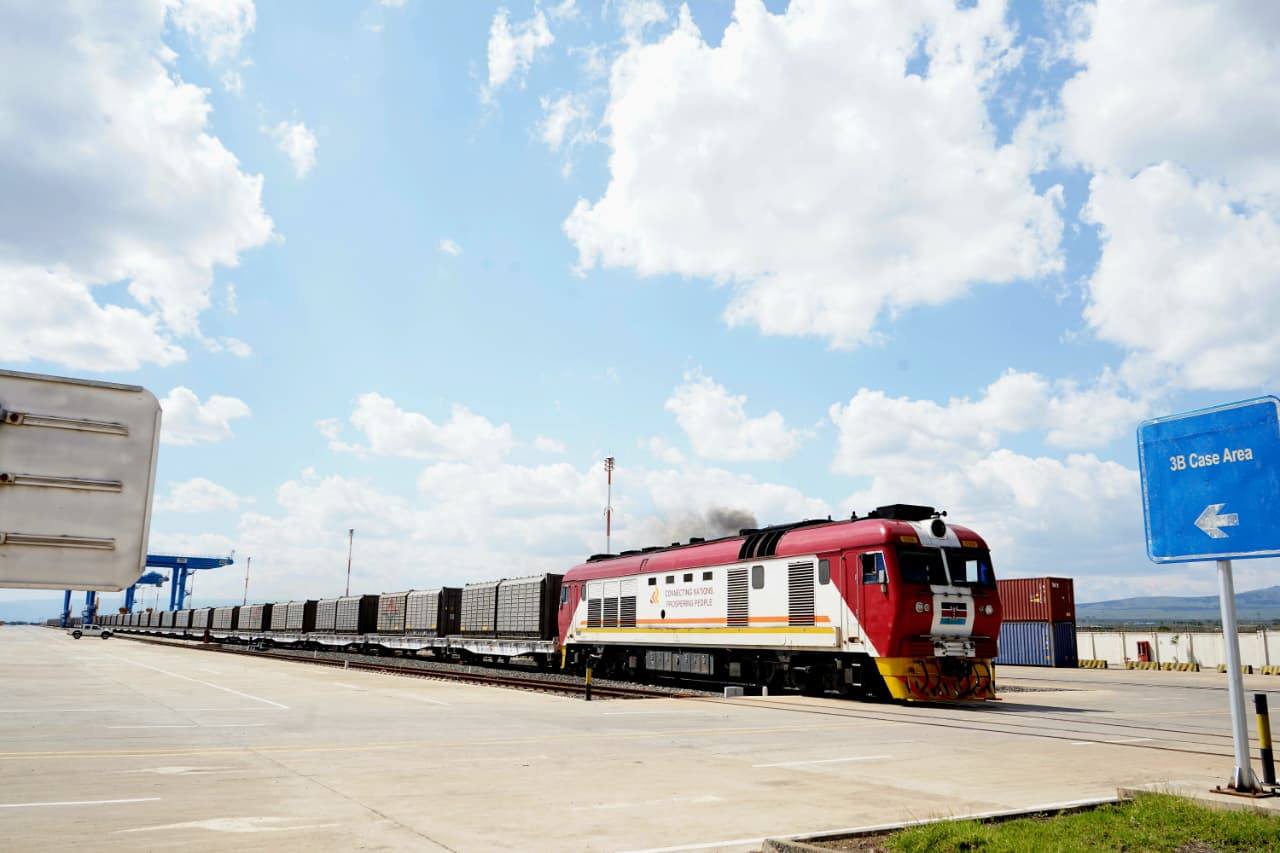
A transformative shift in East Africa’s logistics landscape is on the horizon, driven by a renewed commitment to transport efficiency and deepened regional integration.
The impending construction of the Standard Gauge Railway (SGR) extension linking Naivasha to Kampala promises to slash freight costs by 35 percent and drastically reduce travel time, marking a pivotal moment for economic growth along the Northern Corridor.
Kenya and Uganda are set to launch this long-awaited construction on March 20, 2026, in Kisumu. The project’s primary allure lies in its ability to streamline the movement of cargo.
Once completed by 2028, the railway is expected to reduce travel time between Nairobi and Kampala from approximately 24- 30 hours to just 14 hours. For traders and businesses relying on the Port of Mombasa, this efficiency translates directly into tangible economic benefits: lower logistics costs and faster turnover for goods destined for the hinterland.
The economic viability of the railway has been significantly bolstered by a strategic shift toward regional integration. Initially stalled due to financing concerns, specifically after China Exim Bank declined to fund the extension due to viability doubts, the project has been revitalized through a collaborative effort involving Kenya, Uganda, Rwanda, and the Democratic Republic of Congo (DRC).
The inclusion of the mineral-rich DRC, which formally joined the East African Community in 2022, has been a game-changer. By expanding the potential cargo base to include the vast eastern DRC market, the partner states have enhanced the railway's commercial attractiveness, making it a compelling proposition for international financiers.
To secure the estimated $6 billion required for the Naivasha-Kampala link, the nations are now engaging a diversified pool of development partners from Europe and the Middle East.
This financial approach contrasts with earlier stalled attempts. The Naivasha–Kisumu section (Phase 2B) is estimated at $2.68 billion, while the Kisumu–Malaba segment (Phase 2C) is projected at $896 million.
Uganda has demonstrated its commitment by selecting Turkish construction firm Yapi Merkezi to build the 273-kilometre Malaba–Kampala section and allocating over $146 million for land compensation.
The infrastructure development forms a structural pillar for the Northern Corridor Integration Projects Initiative (NCIPI). By linking the Port of Mombasa to Uganda, Rwanda, South Sudan, and the DRC, the SGR acts as a catalyst for cross-border trade.
The route extends from Naivasha through Narok, Bomet, Kericho, and Nyamira to Kisumu, before proceeding to Malaba. Future plans to extend the line to Kasese near the DRC border and branches toward Rwanda further solidify this integration framework.
In a meeting held in 2024 in Mombasa, the SGR Cluster Joint Ministerial Committee officials acknowledged that financing has been the biggest hurdle over the last five years.
However, the then Kenya’s Cabinet Secretary for Roads and Transport, Kipchumba Murkomen, noted that the expanded partnership among East African nations strengthens the project's appeal to lenders. The ministers agreed to establish a framework for cross-border maintenance, ensuring that operational efficiency is preserved across jurisdictions.
Mombasa remains the maritime gateway for at least seven landlocked countries, making rail efficiency crucial for trade competitiveness. By prioritizing efficiency and leveraging the collective bargaining power of the region, East Africa is laying the tracks for a more prosperous and interconnected economic bloc.