


























LNG-Powered Vessel Signals Green Shipping Shift in East Africa
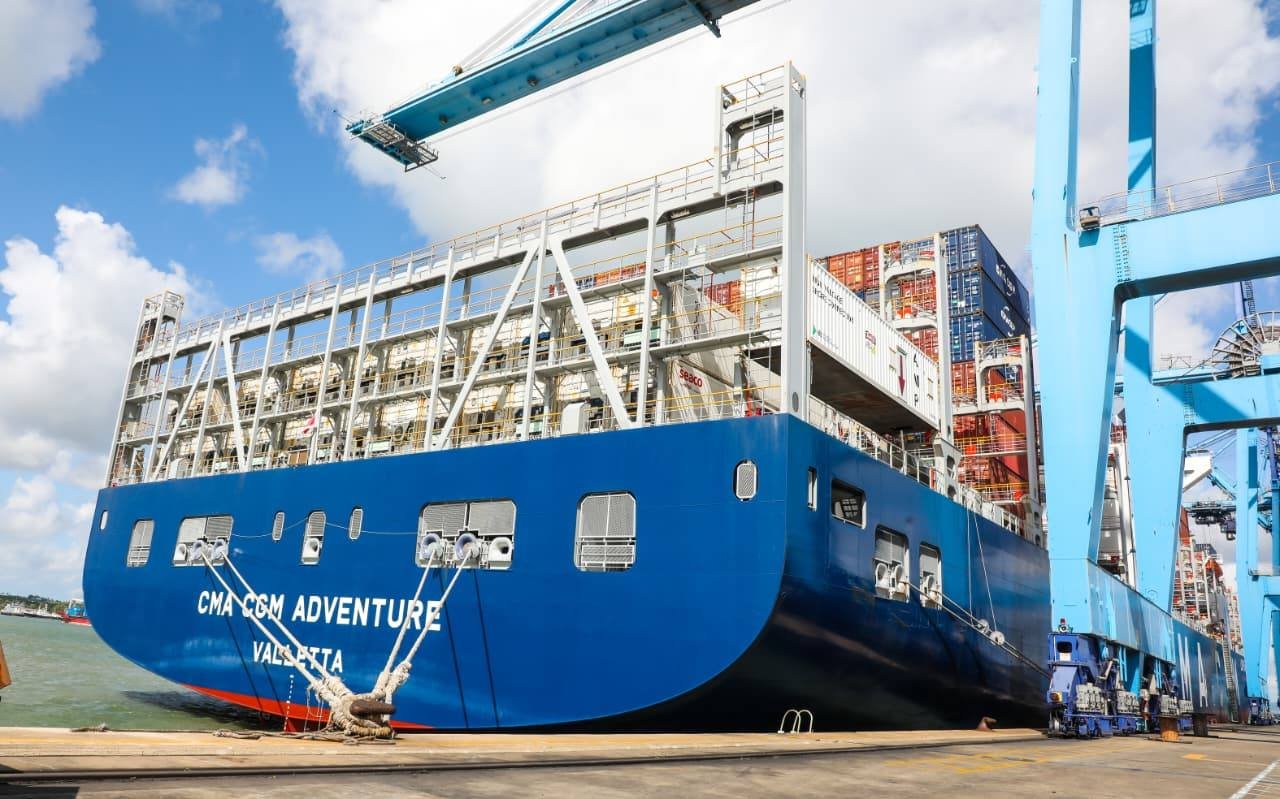
The arrival of the LNG-powered container vessel CMA CGM Adventure at the Port of Mombasa has marked a symbolic milestone in East Africa’s gradual transition toward greener maritime logistics, as regional ports increasingly attract next-generation low-emission ships.
The vessel, the first large gas-fueled container ship of its kind to berth in Mombasa, is part of a new generation of ultra-modern carriers designed to reduce carbon emissions by running primarily on Liquefied Natural Gas (LNG).
Unlike conventional vessels that rely on heavy fuel oil, CMA CGM Adventure operates on chilled natural gas, significantly reducing visible smoke emissions and greenhouse gas output during voyages.
Its maiden call in Mombasa was more than routine port traffic as it reflected a wider structural shift in global shipping, where climate regulations, decarbonization targets, and supply chain sustainability pressures are reshaping maritime trade routes and vessel design.
In recent months, Mombasa and the Port of Dar es Salaam have both recorded increased calls by “green” and dual-fuel vessels as major global shipping lines test and deploy cleaner fleets along East African trade corridors.
In Mombasa, LNG-ready and fuel-efficient container vessels operated by lines such as CMA CGM, MSC and Maersk have been making scheduled calls as part of broader Asia–Africa and Middle East rotations.
Similarly, the Port of Dar es Salaam has handled a growing number of energy-efficient container ships and modern feeder vessels incorporating emissions-reduction technologies, reflecting Tanzania’s own push to modernize port infrastructure and align with global environmental shipping standards.
During the traditional Kenya Ports Authority (KPA) reception for maiden vessel calls, managing director Captain William Ruto said the arrival of such ships signals a fundamental transformation in maritime logistics, where ports are increasingly judged not only by capacity and efficiency, but also by their environmental footprint.
Across the world, shipping companies are accelerating investments in low-carbon fleets as International Maritime Organization (IMO) regulations tighten and cargo owners demand cleaner, verifiable supply chains. As a result, ports are being redefined from traditional cargo handling nodes into climate-smart logistics hubs.
Mombasa is positioning itself within this transition. The KPA has rolled out a Green Ports Policy aimed at reducing emissions and improving energy efficiency across its operations.
Key initiatives include the expansion of solar energy installations across port facilities, the gradual introduction of hybrid cargo-handling equipment, and the rollout of shore power systems that allow vessels at berth to switch off auxiliary engines and draw electricity directly from the national grid.
Along the coastline, mangrove restoration projects are also being implemented to strengthen natural carbon sinks and enhance coastal resilience.
The CMA CGM Adventure, built in late 2024, measures 268 metres in length, has a beam of 43 metres, and a capacity of 7,378 TEUs. According to CMA CGM, the vessel reflects the group’s commitment to sustainable maritime transport through the adoption of LNG propulsion and advanced energy-efficient ship design.
As more green vessels call at East Africa’s busiest ports, Mombasa and Dar es Salaam are increasingly emerging as early participants in the global shift toward decarbonized shipping corridors, where environmental performance is becoming as important as cargo throughput.