


























SGR Extension Seals East Africa’s Missing Link in Regional Trade Corridor
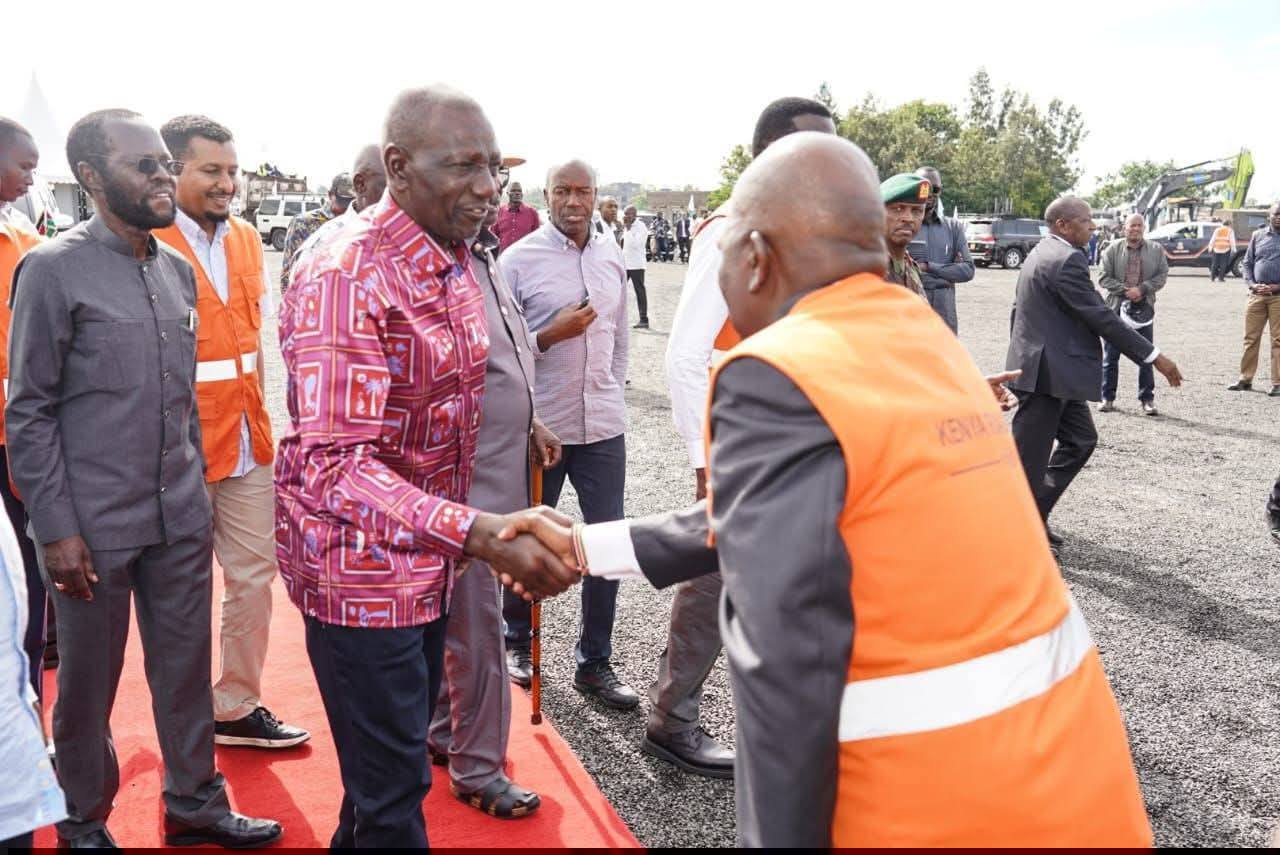
A new chapter in East African integration is being written as Kenya and Uganda break ground on a crucial Standard Gauge Railway (SGR) extension.
The 107-kilometer Kisumu-Malaba line is more than a domestic infrastructure project; it is the final missing link in a transnational corridor designed to reshape the region's economic geography and solidify China’s Belt and Road Initiative (BRI) footprint on the continent.
The project underscores the enduring strategic partnership between East Africa and China. With the Mombasa-Nairobi and Nairobi-Naivasha sections already operational, constructed by Chinese contractors and largely financed through Chinese funding, this extension represents the continuation of a grand vision.
Song Hailiang, chairman of the China Communications Construction Company, explicitly identified the railway as a flagship project under the Belt and Road cooperation.
"By bridging the infrastructure gap, the railway embodies the BRI’s core promise: enhancing connectivity and unimpeded trade flows," Song stated.
The strategic importance of this railway line hinges on its starting point: the Port of Mombasa. As the maritime gateway for at least seven landlocked countries, Mombasa’s efficiency is the engine of regional trade. The new SGR extension ensures that the port’s reach extends far beyond Kenya’s borders.
By connecting Mombasa directly to Uganda, the railway unlocks a seamless path for goods moving to and from the global market. This connectivity is set to expand further into Rwanda, South Sudan, and the mineral-rich Democratic Republic of the Congo (DRC).
The inclusion of the DRC, which joined the East African Community in 2022, has been a game-changer, expanding the cargo base and making the railway a viable logistical spine for a massive swathe of the continent. Total transit cargo to all hinterland countries stood at 15.88 million metric tonnes in 2025.
For the two host nations, the stakes are high and the benefits tangible. For Uganda, which is the largest Mombasa’s transit market, commanding over 70 percent, the railway is a lifeline.
"Uganda is a land-linked country, and therefore transport is very critical for us," President Yoweri Museveni noted, emphasizing that rail transport is essential for heavy cargo.
The line from Malaba to Kampala, now being constructed by Turkish firm Yapi Merkezi, promises to slash logistics costs by 35% and cut travel time between Nairobi and Kampala to just 14 hours.
This efficiency is a game-changer for Ugandan competitiveness, allowing the nation to export agricultural produce and import goods with unprecedented speed.
For Kenya, the project secures the commercial viability of its existing SGR investment. President William Ruto described the line as a "transformational corridor" that determines "where investment flows and where prosperity takes root."
By extending the line to the border, Kenya stimulates industrial parks and logistics hubs along the route, ensuring that the Port of Mombasa remains the preferred gateway for East Africa.
The railway is expected to carry the legacy of the historic Uganda Railway into the future. Just as the "Lunatic Express" of the past century reshaped the region, the modern SGR is defining its future. With the potential to link major agricultural and industrial zones, the line acts as a catalyst for cross-border trade.
As partner states look toward a 2028 completion date, the project symbolizes a shift toward collective bargaining and shared prosperity. By prioritizing efficiency and connecting the Indian Ocean coast to the heart of Africa, the Mombasa-Kampala SGR line stands as a testament to the power of infrastructure to bind nations together.