


























Africa’s Internal Solutions in Focus as Gulf Disruptions Bite Hard
Queues stretching for days at fuel stations in Addis Ababa have become the most visible symbol of a crisis rooted thousands of kilometres away in the Strait of Hormuz, where conflict has crippled one of the world’s most critical energy corridors and sent shockwaves across African economies.
The current status of the Gulf crisis remains fragile despite a recent temporary ceasefire between the United States and Iran. Shipping traffic through the Strait of Hormuz has collapsed by more than 90 per cent since late February, with fewer than 300 vessels recorded over six weeks of tension compared to an average of nearly 100 per day before the conflict.
Maritime authorities report that conflicting navigation instructions, naval blockades, and the threat of mines have effectively paralyzed movement through the narrow waterway that carries roughly a fifth of global oil and gas supplies.
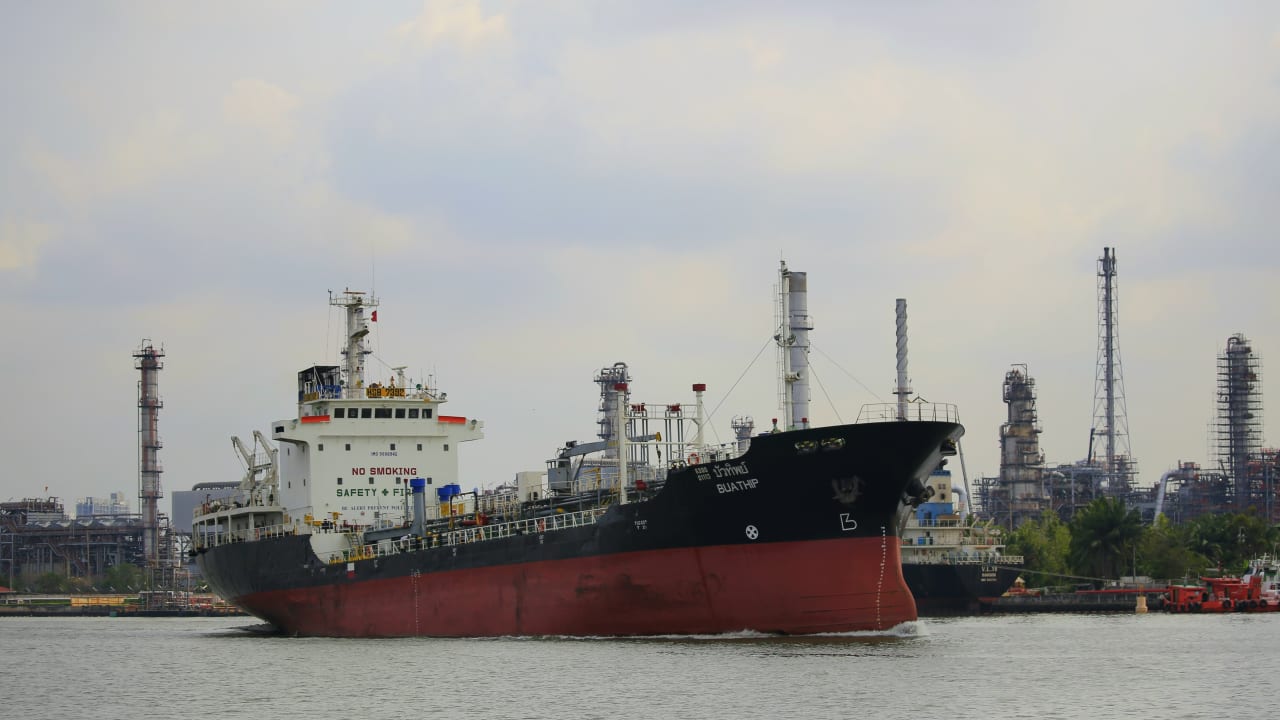
For Africa, heavily dependent on imported refined petroleum, the consequences have been immediate and severe. Ethiopia’s diesel supplies, for instance, have fallen from 9.2 million litres per day to about 4.5 million, with more than 180,000 tonnes of imports stranded in the Gulf.
Spot market premiums have surged to between $86 and $93 per barrel, while governments are being forced to expand subsidies to cushion consumers.
“The Strait of Hormuz disruption is not just a Middle East problem; it is an African economic crisis,” said Dr Akinwumi Adesina, President of the African Development Bank.
“Many African economies are structurally exposed to external energy shocks, and this event has revealed how fragile those supply chains remain.”
Shipping lines have responded by rerouting vessels or suspending operations altogether, triggering a sharp spike in freight costs. Industry estimates show that freight rates on key fuel routes to East Africa have quadrupled in recent weeks, while vessel availability has tightened significantly as ships are redeployed to safer corridors.
War risk insurance premiums have also surged, in some cases increasing by more than tenfold.
“Insurers now classify the Gulf as a high-risk war zone, which means shipowners must pay extraordinary premiums or avoid the route entirely,” explained Andrew Kinsey, a Senior Marine Risk Consultant.
These costs are inevitably passed down the supply chain, raising the final price of fuel, fertilizer, and other critical imports into Africa.
The crisis has also exposed structural vulnerabilities, including Africa’s heavy reliance on a narrow set of suppliers and routes. Many countries source the bulk of their refined fuel from the Gulf and depend on a limited number of ports, leaving them highly exposed to geopolitical disruptions.
Attention is now turning to alternative supply options within Africa. Nigeria’s Dangote Oil Refinery, with a capacity of 650,000 barrels per day, has emerged as a key potential stabilizer.
The refinery has already exported multiple gasoline cargoes to African markets in recent months, signaling a shift towards intra-African energy trade.
“Dangote presents a strategic opportunity to reduce Africa’s dependence on external suppliers,” said Dr Yemi Kale, a Chief Economist in Nigeria. “However, logistics remain a major constraint. Moving fuel from West Africa to the Horn is not straightforward and requires coordinated investment in shipping and inland transport.”
Angola is also positioning itself as an alternative supplier, leveraging its established oil production and refining capacity. Yet distance and infrastructure gaps continue to limit the scale and speed of diversification.
Experts argue that while sourcing from within Africa is critical, it must be matched by investments in logistics. Expanding port options, improving rail and road corridors, and developing regional storage infrastructure will be essential to making intra-African trade viable at scale.
In the longer term, some countries are accelerating the transition to alternative energy sources, including electric mobility, to reduce reliance on imported fuel. However, such transitions will take years to materialise.
For now, the Gulf crisis serves as a stark reminder of the interconnected nature of global supply chains and the cost of overdependence on distant markets. As African economies grapple with rising inflation, strained budgets and slowing growth, the urgency of building resilient, diversified energy systems has never been clearer.
The queues in Addis Ababa are not just a local inconvenience. They are a warning of what happens when global disruptions meet structural dependence and a signal that Africa’s path to energy security must begin closer to home.