


























Mombasa Port Expansion Set to Boost Cargo Capacity as Hapag-Lloyd Eyes Regional Growth
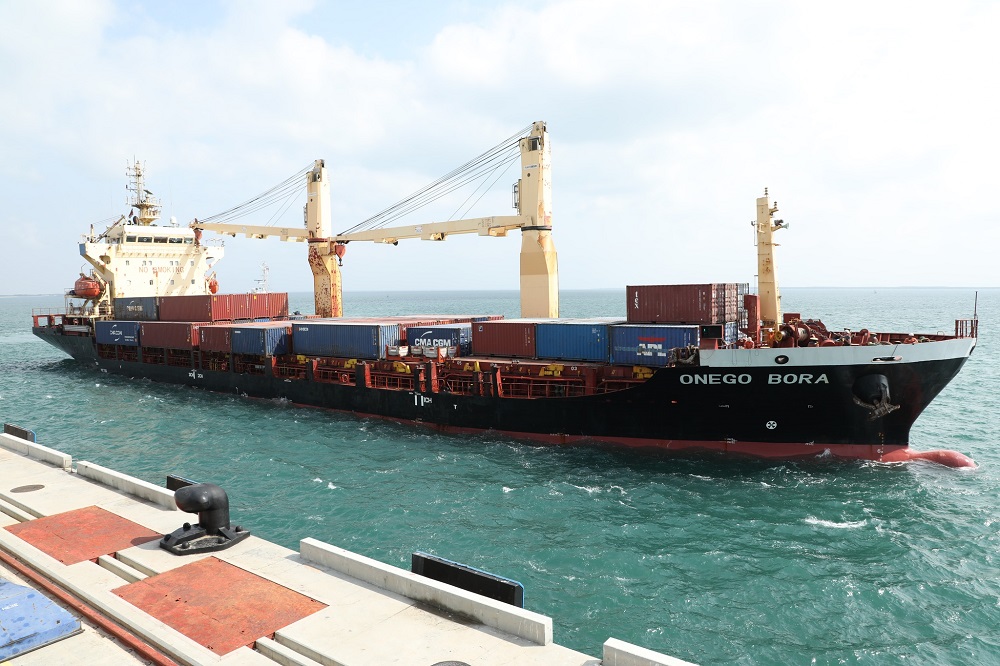
The Port of Mombasa is positioning itself for a new phase of growth through major infrastructure expansion projects that will significantly increase cargo handling capacity, improve vessel turnaround time, and strengthen Kenya's position as the logistics gateway for East and Central Africa.
The investments come as global container shipping line Hapag-Lloyd announced plans to expand its operations in the region following discussions with the Kenya Ports Authority (KPA) on improving efficiency and supporting growing trade volumes.
Leading the expansion programme is the construction of Berth 19B, one of the most significant additions to the Port of Mombasa's container terminal in recent years.
Currently about 40 per cent complete, the 240-metre berth is expected to add approximately 300,000 twenty-foot equivalent units (TEUs) to the port's annual handling capacity once commissioned.
The new facility will enable the port to accommodate larger container vessels while reducing vessel waiting time and berth congestion, two factors that directly influence shipping costs and supply chain efficiency.
The expansion is being undertaken at a time when cargo throughput at the Port of Mombasa continues to record steady growth.
According to KPA statistics, the Port of Mombasa handled a record 45.45 million metric tonnes of cargo in 2025, up from 40.99 million tonnes in 2024, representing a 10.9 per cent increase.
Container traffic also reached an all-time high of 2.11 million twenty-foot equivalent units TEUs, a 5.5 per cent rise from two million TEUs in 2024. Transit cargo posted even stronger growth, rising 19.5 per cent to 15.88 million metric tonnes, underlining Mombasa's growing role as the principal maritime gateway for Kenya and the wider East and Central African region.
Transit cargo has also continued to rise, accounting for nearly one-third of the port's total throughput, with Uganda remaining the largest destination, followed by South Sudan, Rwanda, the Democratic Republic of Congo, Burundi, and northern Tanzania.
Industry analysts say the additional capacity created by Berth 19B will provide the flexibility required to handle growing cargo volumes while reducing vessel turnaround time and improving berth productivity.
"Every additional berth translates into improved efficiency across the logistics chain. Faster ship turnaround lowers operating costs for shipping lines while enabling importers and exporters to receive cargo more quickly," said KPA Managing Director Capt. William Ruto.
He noted that the authority is investing in infrastructure ahead of demand to ensure the Port of Mombasa remains competitive against emerging regional ports.
"We are expanding capacity not only for today's business but also for future trade growth. The objective is to provide world-class port services that attract more shipping lines while supporting regional economic integration," Capt. Ruto said.
Another strategic ongoing project is Dongo Kundu Berth One, which is expected to become the maritime gateway to the Dongo Kundu Special Economic Zone (SEZ).
The berth will provide direct sea access to industries expected to establish operations within the SEZ, eliminating the need to transport imported raw materials through the congested Mombasa Island corridor before reaching manufacturing plants.
Once operational, the berth is expected to support export-oriented manufacturing by facilitating the efficient movement of raw materials and finished goods between factories and international markets.
Economists believe that integrating port infrastructure with the Special Economic Zone will significantly lower logistics costs, encourage value addition, and attract foreign direct investment into the manufacturing, assembly, and logistics industries.
The new equipment is expected to improve container stacking efficiency, reduce truck turnaround time, and enhance overall cargo evacuation.
The infrastructure programme featured prominently during a meeting between Capt. Ruto and Hapag-Lloyd Shipping Line's Managing Director for East Africa, Mr Altamush Ahmed, where the two organizations reaffirmed their commitment to strengthening collaboration in improving port efficiency.
Mr Ahmed said Hapag-Lloyd views the Port of Mombasa as one of Africa's fastest-growing maritime gateways and intends to increase its footprint in the region.
"The investments being undertaken by KPA demonstrate a long-term commitment to operational excellence. Improved infrastructure benefits shipping lines through faster vessel turnaround and more predictable schedules, ultimately lowering logistics costs for customers," he said.
Hapag-Lloyd, which commenced operations at the Port of Mombasa nine years ago, serves key trade routes linking East Africa with Europe, Asia, the Middle East, and the Americas. The company says rising trade volumes across the region continue to present opportunities for expanding shipping services.
Trade experts observe that growth at the Port of Mombasa is being driven by increasing domestic consumption, expanding exports, stronger regional integration, and rising transit cargo through the Northern Corridor.
The completion of Berth 19B, together with Dongo Kundu Berth One and ongoing investments in digital systems and cargo-handling equipment, is expected to substantially improve operational efficiency while reinforcing Mombasa's position as the preferred gateway for East and Central Africa.