



























Mozambique, Zimbabwe Move to Cut Border Delays and Boost Beira Corridor Trade
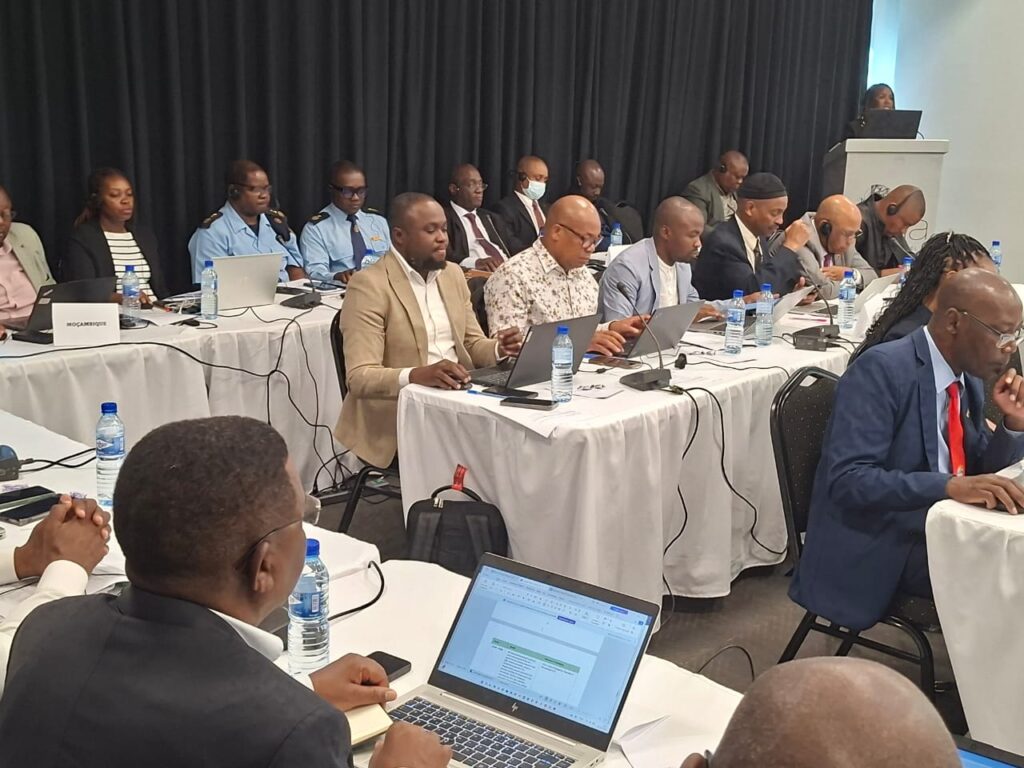
Transporters, exporters, and travellers using the strategic Beira Corridor are set to benefit from faster border clearance, lower transport costs, and more predictable movement of goods following the operationalization of the Forbes-Machipanda Joint Border Committee (JBC) by Mozambique and Zimbabwe.
The bilateral mechanism is expected to reduce congestion, eliminate duplication among border agencies, and improve coordination at one of Southern Africa's busiest border crossings, making cross-border trade more efficient and enhancing the competitiveness of businesses that rely on the corridor.
The breakthrough was achieved during a two-day meeting held in Beira last month, where officials from the two countries adopted a 12-month operational work-plan, translating commitments made during a bilateral meeting in Mutare, Zimbabwe, in March into concrete action.
The JBC will provide a permanent platform through which customs, immigration, police, health, agriculture, standards authorities, road agencies, and private sector representatives can jointly resolve operational challenges, rather than working independently. The arrangement is expected to enhance cargo flows, reduce clearance times, and support regional economic integration.
Opening the meeting, Sofala Province Director for Industry and Trade António Francisco Alexandre said operationalizing the Committee was essential to tackling persistent congestion and delays at the Forbes-Machipanda border crossing. He said stronger cooperation between Mozambique and Zimbabwe would significantly improve border efficiency and facilitate trade along the Beira Corridor.
Mozambique's National Director for Internal and External Trade in the Ministry of Economy, Vera Godinho, said the strong participation of both governments demonstrated the high priority attached to strengthening bilateral cooperation in border management.
Zimbabwe's Permanent Secretary in the Ministry of Transport and Infrastructural Development, Joy Makumbe, described transport corridors as powerful drivers of economic growth, supporting the movement of minerals, agricultural produce, and manufactured goods while attracting investment and creating livelihoods.
She said Zimbabwe was expanding infrastructure at Forbes Border Post through a public-private partnership to improve efficiency along the corridor and expressed the country's willingness to share lessons with Mozambique as it upgrades facilities at Machipanda.
The Committee's first-year work plan focuses on harmonizing border procedures, synchronising operating hours, strengthening joint inspections and intelligence sharing, improving interoperability between ICT systems, assessing infrastructure requirements, and introducing a monitoring framework to measure border performance.
The operationalization of the Forbes-Machipanda JBC forms part of a wider trade facilitation programme supported by the UK Government through TradeMark Africa (TMA).
The programme seeks to strengthen coordination between neighbouring countries, streamline border procedures, reduce transport and logistics bottlenecks, and facilitate faster and more predictable movement of goods and people across Southern Africa.
The initiative is particularly important for the Beira Corridor, which has become one of the region's most strategic trade routes. The Port of Beira serves Zimbabwe, Zambia, Malawi, and the Democratic Republic of Congo, with Zimbabwe accounting for approximately 55 per cent of all import and export cargo handled through the port. The Forbes-Machipanda border crossing is the principal gateway connecting Zimbabwe to the port.
TEA Regional Director for Southern Africa, Hope Situmbeko, said the initiative underscores the organisation's commitment to lowering the cost and time of doing business while improving private sector competitiveness across the region.
"TMA has taken a corridor approach to achieving efficiencies on trade routes, and we are working with both the Governments of Mozambique and Zimbabwe on strengthening coordination between the two countries through the JBC at the Forbes-Machipanda border," she said.
She noted that congestion, lengthy queues, and fragmented border procedures have continued to increase transport costs, delay deliveries, and reduce the competitiveness of businesses using the corridor. The JBC is expected to address these challenges by improving coordination among border agencies and ensuring smoother cargo movement.
"The success of the JBC is expected to provide the private sector with seamless cargo traffic flow at the border, allowing for faster turnaround at Beira Port," Ms Situmbeko said.