


























Isaka Dry Port Set for More Trains as Regional Cargo Surges
Tanzania Railways Corporation (TRC) plans to deploy additional trains and wagons to Isaka Dry Port as rising regional cargo volumes increase demand for rail services along the Central Corridor.
TRC Director-General Machibya Shiwa said the corporation was considering increasing train frequencies following a request from businessman Ghalib Said Mohamed (GSM), the private investor operating the dry port, for more services to handle growing cargo traffic.
Isaka, in Shinyanga Region, is strategically positioned to serve land-linked markets in the Great Lakes region, particularly Rwanda, Burundi, the Democratic Republic of Congo (DRC) and Uganda.
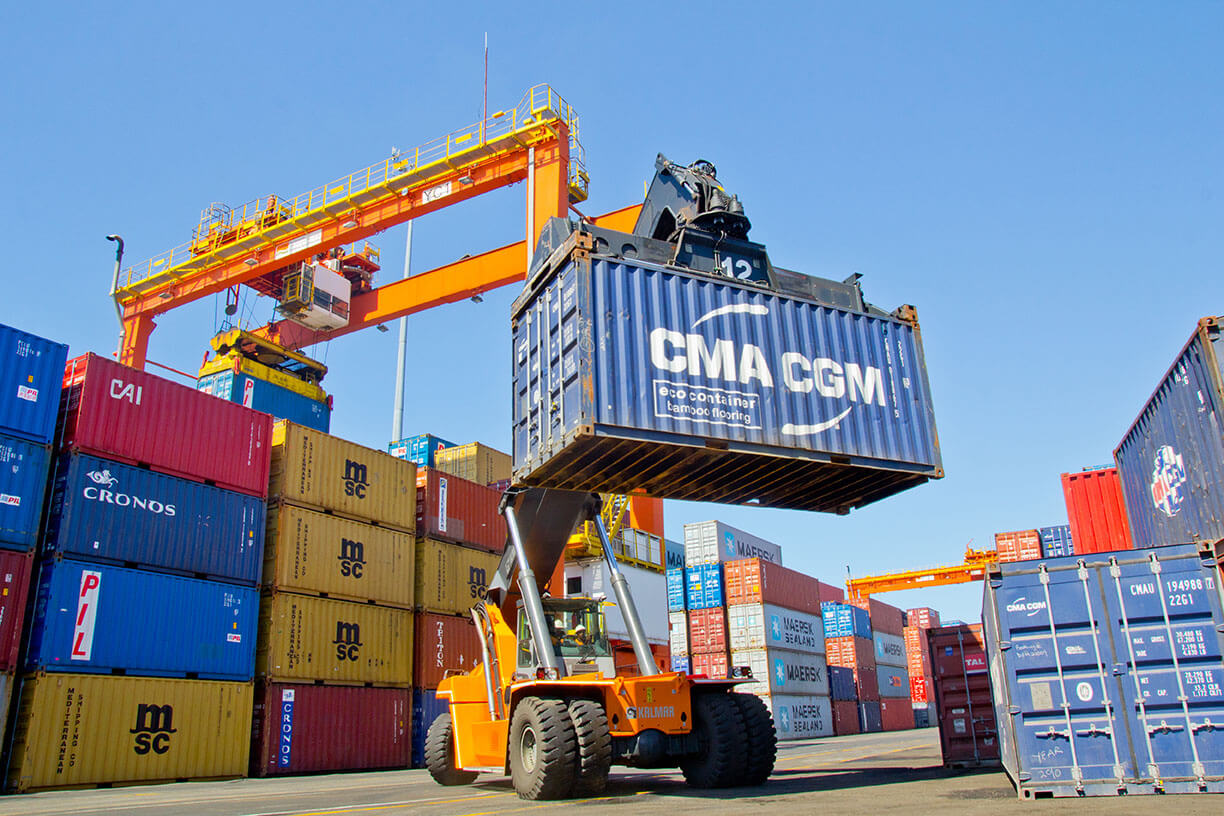
The dry port has a handling capacity of 13,000 twenty-foot equivalent units (TEUs) a year and 42,583 tonnes of cargo, according to TRC. It has two railway sidings, warehouses with a combined storage capacity of 14,000 tonnes, and facilities for handling containers and general cargo.
Its importance is expected to increase as Tanzania seeks to shift more regional freight from roads to rail and strengthen the Central Corridor as an alternative gateway for East and Central African trade.
Mr Shiwa said Isaka was already receiving three trains from Dar es Salaam. Still, more frequent services would let traders in neighbouring countries move cargo closer to their markets without travelling to Tanzania's commercial capital.
“Traders from Rwanda, Burundi, the DRC and Uganda will now be able to transport their cargo through the private investor without having to go to Dar es Salaam,” he said.
The push for additional rail services comes as Tanzania records strong growth in regional transit trade. Dar es Salaam Port handled 33.71 million tonnes of cargo in 2025/26, up 21.5 per cent from 27.73 million tonnes in 2024/25, while transit cargo increased by 17 per cent to 14.61 million tonnes.
The DRC remained the largest transit market, with cargo rising 30 per cent to 7.77 million tonnes, accounting for more than half of the port’s transit traffic. The growth highlights the potential market for inland logistics facilities such as Isaka, particularly as Tanzania develops rail links deeper into the hinterland.
Mr Shiwa said TRC was therefore investing in both the metre-gauge railway (MGR) and the standard-gauge railway (SGR), alongside new and expanded cargo terminals and dry ports at Kwala, Morogoro, Isaka, Mwanza and Kigoma.
“Investment in TRC is being made according to demand,” he said, adding that the corporation expected the benefits of its SGR investment to become increasingly visible as the network expands.
The planned expansion is also significant because Isaka’s existing capacity could come under pressure as rail becomes more attractive to regional traders.
A recent study of the facility found that container throughput had increased from about 25,000 TEUs in 2015 to 43,500 TEUs in 2024, while rail utilization rose from 31 per cent to 58 per cent. The figures point to increased use of the facility and growing demand for more efficient rail-linked cargo handling.
TRC and GSM are also discussing investment in cargo-handling equipment and other operational improvements at Isaka to increase efficiency. Mr Shiwa said the decision to lease the facility to GSM was intended to accelerate development through private-sector participation.
For Tanzania, expanding Isaka’s rail capacity could strengthen the country’s position as a logistics gateway for the Great Lakes region while reducing dependence on long-distance road haulage.
TRC is also seeking more private-sector partnerships to develop railway infrastructure and logistics services, in line with the government’s broader strategy of using public-private partnerships to expand trade and economic activity across Tanzania and neighbouring markets.