



























Tanga Takes Centre Stage Ahead of December Oil Exports
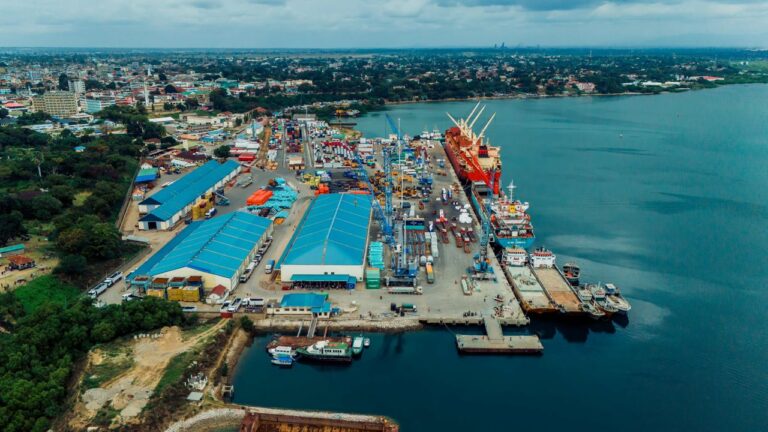
Tanga is positioning itself to become one of East Africa’s most important oil export gateways as Uganda prepares to ship its first commercial cargo of crude through Tanzania, opening a new chapter in the region’s maritime and energy trade.
Uganda plans to load its first commercial cargo of Pearl Sweet crude in December, with production initially coming from the CNOOC-operated Kingfisher field before rising as the larger Tilenga development comes on stream.
Production from the two projects is eventually expected to reach about 230,000 barrels per day, although volumes will increase progressively as the fields are developed.
For Tanzania, the development places the Port of Tanga at the centre of a new cross-border oil supply chain linking Uganda’s oilfields to international markets through the Indian Ocean.
The infrastructure being developed at Tanga is designed specifically to handle this trade, with a dedicated marine terminal at Chongoleani forming the final export point for crude transported from Uganda through the 1,443-kilometre East African Crude Oil Pipeline (EACOP).
The scale of the investment reflects the specialized requirements of Uganda’s crude. Pearl Sweet is a medium-to-heavy, low-sulphur and highly waxy crude, meaning it requires heating to remain sufficiently fluid as it moves through the pipeline and into storage and export facilities.
At the Tanga terminal, four crude oil storage tanks have been constructed, each with a capacity of about 500,000 barrels, providing total storage of approximately two million barrels.
The storage facility will allow crude arriving through EACOP to be held before it is transferred to tankers, helping separate the continuous flow through the pipeline from the intermittent arrival of export vessels.
The terminal is also equipped with pumping systems to move crude from the storage tanks to the marine loading facilities. A major component of the infrastructure is a roughly two-kilometre marine trestle extending offshore to connect the onshore terminal with the loading area in deeper water.
The marine facility includes a Jetty and Load Out Facility, together with mooring and berthing dolphins designed to secure tankers during loading. The infrastructure is intended to accommodate Suezmax-class crude carriers, allowing Uganda’s oil to be loaded directly onto large vessels for shipment to international markets.
This specialized infrastructure is important because Tanga will effectively become the maritime endpoint of a supply chain stretching from the Lake Albert region in Uganda to the Tanzanian coast.
Uganda’s crude is expected to be priced against Dated Brent, providing the country with access to international oil markets once commercial exports begin.
The first cargo will therefore mark more than the start of Uganda’s oil exports. It will also test the ability of the Tanga system to operate as an international crude export terminal.
The project could significantly expand Tanga’s role in regional logistics. Traditionally, the port has handled conventional cargo, including bulk and general cargo, but the arrival of crude oil introduces a specialized energy business requiring tanker scheduling, marine services, storage management, pipeline operations, security, maintenance and emergency-response capabilities.
The development also allows Tanzania to capture wider economic activity around the oil trade. As exports grow, demand could increase for local engineering and maintenance companies, marine-service providers, transporters, security firms and other businesses supporting the petroleum logistics chain.
For land-linked, the EACOP route provides a direct connection to the Indian Ocean, while Tanzania gains a new long-term energy logistics business centred on its coast.
The oil trade could consequently strengthen Tanga’s position within the wider Central and East African transport network, alongside its existing role in serving regional markets. The infrastructure at Chongoleani could also provide a foundation for Tanzania’s broader ambitions to develop Tanga as an energy and logistics hub.
The first Pearl Sweet cargo in December will be closely watched not only as Uganda’s entry into the international oil market, but also as the first major test of Tanga’s emergence as a crude export gateway.