

























Mombasa Port Anchors Logistics Chain for Turkana Oil Development
The Port of Mombasa is assuming an increasingly important role in Kenya’s emerging petroleum industry as the country moves towards commercial oil production in Turkana while developing a new refining and energy hub at Lamu.
President William Ruto said that Kenya expects to begin extracting crude oil in Turkana before December this year and commence transportation of the crude within the same period. The development is set to create new opportunities across the country’s maritime, transport and logistics sectors.
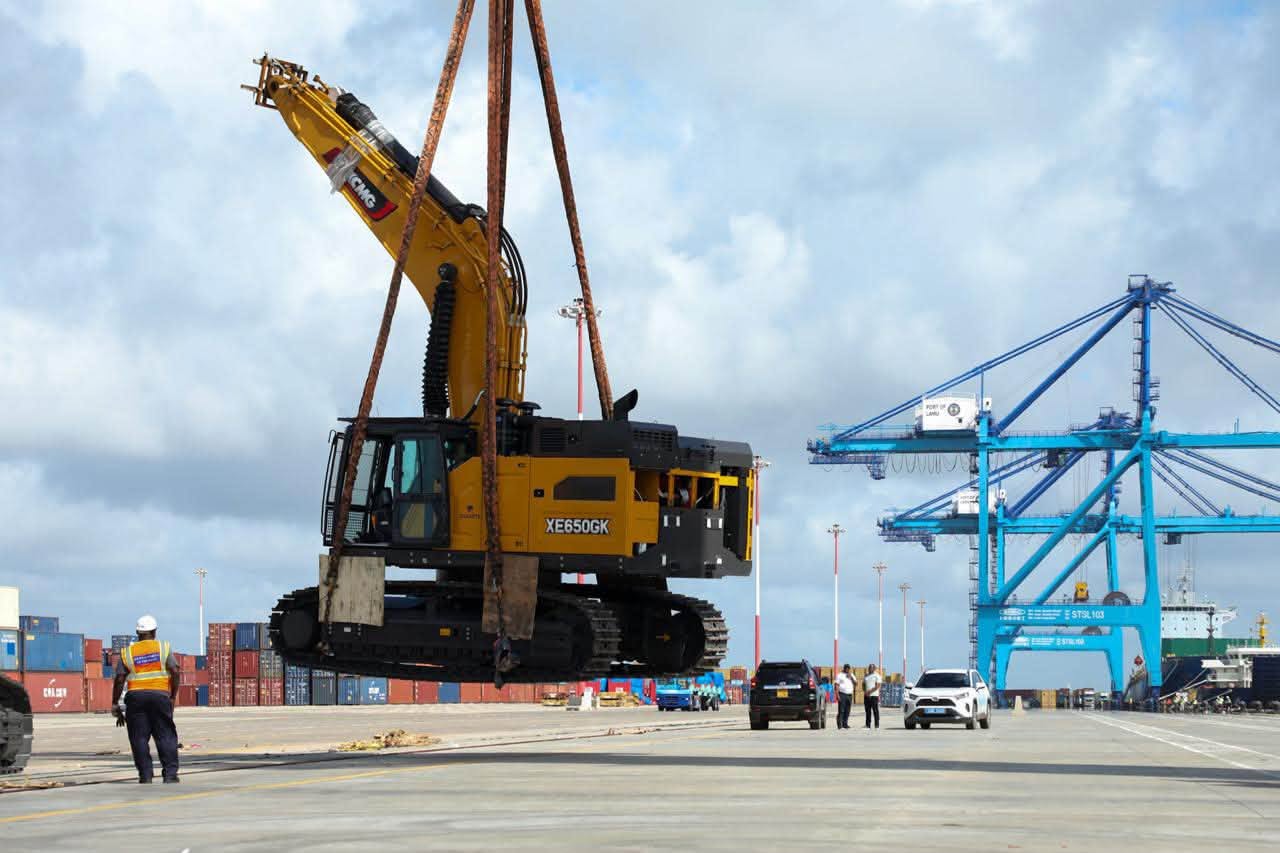
The announcement came as Mombasa handled a major consignment of specialized drilling equipment destined for the Lokichar oil fields, demonstrating the port’s importance in connecting international shipping with Kenya’s inland energy projects.
The 2,152-metric-tonne consignment arrived aboard MV Transit Sedanka from Abu Dhabi through Duqm Port in Oman. Among the equipment was a GW70 Integrated Onshore Drilling Rig with a 1,500-horsepower capacity and a value of more than Sh2 billion.
For the maritime industry, the shipment represents more than the movement of specialized equipment. It demonstrates Mombasa’s growing capacity to handle oversized and complex project cargo required for major investments in energy, infrastructure and extractive industries.
“The arrival of the specialised drilling equipment demonstrates Mombasa’s growing capacity to handle complex project cargo and its strategic role in linking the Indian Ocean gateway with Kenya’s northern oil fields,” said KPA Chief Executive Officer Capt. William Ruto.
The development could increase demand for specialized vessel services, project-cargo handling, customs clearance, heavy-haulage transport, storage and other logistics services as oil production moves towards the commercial phase.
Mombasa’s role is also linked to the wider development of Kenya’s petroleum infrastructure, including the proposed Lamu refinery.
President Ruto said Kenya plans to connect Turkana crude to Lamu through a pipeline, with Nigerian businessman Aliko Dangote expected to invest in the proposed infrastructure. He also noted that domestic production would not be sufficient to meet the feedstock requirements of the planned refinery, meaning crude would also have to be sourced from international markets.
The proposed Lamu refinery is expected to have a processing capacity of up to 700,000 barrels of crude oil per day and supply refined petroleum products to Kenya and regional markets. Its development is therefore likely to generate significant maritime activity, including crude imports, tanker operations, petroleum-product distribution, marine services and associated logistics.
Lamu Port has already begun receiving refinery-related project cargo. On September 26, MV Da Yang arrived carrying approximately 2,930 metric tonnes of heavy equipment for the refinery project, providing an early indication of the port’s potential role in supporting the emerging energy complex.
The developments point to increasingly complementary roles for Kenya’s two major Indian Ocean ports. Mombasa is an established maritime gateway with extensive shipping, cargo-handling and hinterland connections, while Lamu is being positioned as a strategic petroleum and industrial hub under the Lamu Port-South Sudan-Ethiopia Transport (LAPSSET) Corridor.
For Mombasa, the development of Turkana oil could reinforce its position as a gateway for energy-sector project cargo and inland logistics, even as Lamu takes on a larger role in crude and refined petroleum logistics.
The implications extend beyond Kenya. The planned refinery is expected to process crude from Turkana as well as other African and international sources, with refined products potentially serving markets across Eastern and Central Africa. This could generate new maritime trade flows between coastal ports, oil-producing regions, and land-linked economies.